
Dr. Langdon ultimately chose Palmer College because of the opportunity to participate in its Research Honors Program, where she was able to cultivate her interest in chiropractic research. Mentorship, which is the cornerstone of the Research Honors Program, was very impactful for Langdon, who said that learning from Dr. Stephen Onifer, Ph.D. was “monumentally impactful” on her learning.

A diagnostic process incorporating a biopsychosocial approach addresses three main questions: (1) Are the patient’s
symptoms reflective a visceral disorder or a serious or potentially life-threatening condition; (2) from where the
patient’s pain is arising; (3) what has gone wrong with this person that would cause the pain experience to develop and
persist?2 The focus of this study was placed on developing a resource to help clinicians answer the 2nd question, since
this information is needed to inform and contextualize answers to questions 1 and 3.
The article and the management resource it provides offer a summary of evidence-based care options
for people with neuromusculoskeletal LBP.
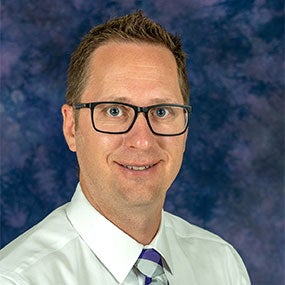
The PCCR is proud to announce that our very own Brian Anderson, D.C., M.P.H., M.S., Ph.D. has placed second in the Best Early Career Research Poster exhibition at the 2022 virtual CARLoquium Research Conference.
Please join the Palmer Center for Chiropractic Research in congratulating our very own Stacie Salsbury, Ph.D., R.N. on being awarded the 2022 American Chiropractic Association's Research of the Year! Dr. Salsbury is the first researcher to be acknowledged with this award who isn't a doctor of chiropractic.