


Where a Doctor of Chiropractic Degree Can Take You
Palmer College of Chiropractic is the founding institution of the chiropractic profession, and more than a century later, it’s still where the profession moves forward: through research, specialized training and graduates who go on to lead nearly every corner of the field. A chiropractor’s career path may include private practice ownership, specialized clinical care, integrated health care, research, education or professional leadership. A Doctor of Chiropractic degree doesn’t lead to one career. It leads to dozens, and most Palmer graduates build a path that touches more than one of them over time.
Whether you picture yourself running your own practice, working the sideline with a professional sports team, caring for veterans in a VA hospital, or leading the research that shapes the future of the profession, a D.C. degree gives you the credential to get there, and Palmer gives you the foundation to do well.
Explore the major paths below, see how Palmer prepares you for each one, and start narrowing down where you want to go. For a deeper look at any single specialty, read our full guide to Doctor of Chiropractic careers.
A Degree Built to Lead
- Most Doctors of Chiropractic own or co-own their practice, a path few doctoral-level health care careers offer so directly.
- The U.S. Bureau of Labor Statistics projects faster-than-average job growth for chiropractors over the next decade.
- 3,600 jobs are posted to the Palmer Plexus Job Board every year – more jobs than graduates.
- Palmer graduates rank in the top 1% of all U.S. higher education institutions for student loan repayment, a reflection of the career success that follows a Palmer degree.
One degree. Multiple chiropractic career paths.
Every D.C. graduate starts with the same core training. From there, the path is yours to shape. Here’s a look at where a Palmer education can lead.
Clinic Practice & Ownership
Chiropractic is one of the few doctoral-level health careers that routinely leads to independent business ownership. Unlike most specialties, where employment in hospital systems or large group practices is the norm, the majority of D.C.s work for themselves. That means clinical autonomy, schedule control, and direct connection with the communities they serve.
Most Palmer graduates become clinicians first and business owners soon after. You might start as an associate to build experience, then open your own practice, join a partnership, or grow a multi-location clinic. Day-to-day work blends patient care with the realities of running a business: scheduling, staffing, marketing and growth. For students interested in entrepreneurship, this path can eventually include starting a chiropractic practice, acquiring an existing clinic or expanding into a multi-location practice group. Palmer’s clinical training and business-of-practice coursework help graduates make that leap with confidence.
Specialized Clinical Care
Many Palmer graduates continue their education by deepening their expertise in a focus area through post-doctoral diplomate training. Popular specialties include sports chiropractic, pediatric care, chiropractic rehabilitation, neurology, orthopedics and clinical nutrition, each with its own diplomate credential and community of practice advancing that corner of the field. Pursuing credentials opens the door to focused work with athletes, children or patients with complex conditions. It’s one more way Palmer graduates lead the profession.
For example, sports chiropractors care for athletes and active individuals, focusing on injury prevention, rehabilitation and performance-supporting movement. They frequently work alongside sports medicine teams, athletic trainers, and strength coaches. Professional sports teams across the NFL, NBA, MLB, and Olympic programs employ chiropractors on staff. Meanwhile, Pediatric chiropractors focus on infants, children and adolescents using age-appropriate techniques, including soft tissue therapy and light adjustments. Care emphasizes healthy development through key milestones, movement, posture and nervous system function. Many chiropractors treat a wide range of patients.
Integrated & Institutional Care
Chiropractors are a growing presence in hospitals, community health centers and Veterans Affairs facilities, working alongside physicians, physical therapists and other providers as part of an interdisciplinary care team. For students drawn to a collaborative, institutional setting, this path offers the scope of hospital-based care with the hands-on focus of chiropractic, leading to roles within VA and DoD clinical teams, hospital-based care teams and community health centers. Palmer’s reach extends well beyond its own campuses: through the DoD/VA Student Rotation Program, students gain hands-on experience at more than 50 locations nationwide, often the first step toward this path, and a firsthand look at how far a Palmer education can carry a career. The experience can also give students early exposure to the work of a VA chiropractor and the role chiropractic plays within an interdisciplinary health care team.
Research, Education & Leadership
Some graduates use their D.C. degree to teach future doctors, advance the evidence base for chiropractic care, or lead health care organizations. Palmer’s standing as the leading research institution in the profession, producing more chiropractic research than all other chiropractic colleges combined, and for graduates exploring chiropractic research careers or chiropractic education careers, a D.C. degree can become the foundation for faculty, fellowship, graduate-study and leadership opportunities.

Taking Chiropractic Research to New Heights
Palmer alum Dr. Ken Weber is the first chiropractor appointed to the Stanford University faculty. Find out how Palmer’s research opportunities helped launch his groundbreaking career.
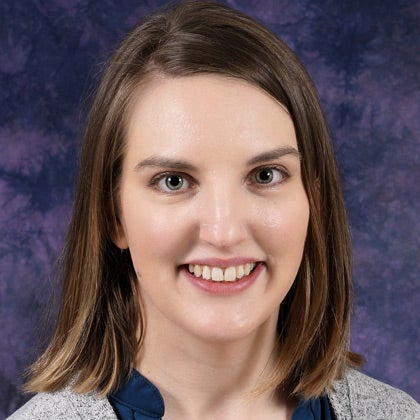
Post-doctoral Program Helped Dr. Ziegler Find Passionate VA Career
Dr. Anna-Marie Ziegler turned a Palmer post-doctoral research position into her dream job at the VA, combining research, clinical practice, and teaching. See how Palmer helped her get there.
Choosing the Path That Fits You
Exploring your chiropractic career options is part of the process, not a decision you need to complete before applying. You don’t have to have this figured out before you apply. Many Palmer students choose or refine their focus during clinical rotations and electives, guided by faculty, advisors and a nationwide network of graduates who’ve walked the same path before them. These questions are a good place to start:
- Do you want to run your own business, or focus purely on patient care?
- Are you drawn to a specific population, such as athletes, children or veterans?
- Do you want to stay in clinical practice, or move toward teaching and research?
- Would you rather decide now, or explore your options once you’re in the program?
Ready to Find Your Path?
Talk to an admissions counselor about the chiropractic career opportunities that align with your interests, or request more information to start planning your D.C. journey.
FAQ: Choosing a Chiropractic Career Path
Do I need to choose a specialty before I apply to Palmer?
No. Most students choose a focus area for their chiropractic care during the D.C. program, often after clinical rotations expose them to different specialties and settings.
Can I change paths after I start practicing?
Yes. Career flexibility is one of the most valued advantages of the D.C. degree. Many chiropractors move between private practice, specialized care, institutional settings and education over the course of a career.
How long does a specialty diplomate take to complete after graduation?
It varies by specialty. Post-graduate diplomate programs and residencies, including Palmer’s rehabilitation and radiology residencies, typically take about three years to complete.
What if I'm still not sure which path is right for me?
That’s normal, and it’s part of why Palmer builds so much clinical variety into the D.C. program. An admissions counselor can walk you through how students typically explore and narrow their focus.